




Product design: anyone can build a tool. We turn it into an experience.
B2B SaaS, internal dashboards, business tools: you already have a foundation, an MVP or a version built with AI. We bring the UX logic it lacks and the finishing touch that makes it memorable.

×3
users on GoGain after the redesign
8 days → 3 days
to design a feature with our AI processes
2
UX/UI designers working in parallel on your product

Product design

Your features are there, but your users can't find them? Your product was built fast, by the tech team or with AI, with no real UX logic? You just raised, and your platform no longer lives up to what you sell?
Good news: product design is what turns a working base into a product people adopt.
UX workshops with your teams to rethink navigation and user flows, before drawing a single screen.Two UX/UI designers working in parallel on your product, and short deliverables your CTO approves every week.An AI design system so your team can build the next features on their own, without going back to mockups.
Three calls that change product design
A working base isn't enough to get a product adopted. It needs clear usage logic and an interface that looks like you: that's where our three calls start.

Brand first, product second
We often work on the product after working on the brand. The positioning work done upstream feeds straight into the interface: we know who it speaks to and how it should feel. The product stops looking like a template, it looks like you.

Two designers in parallel, not just one
On a product, our clients often take a substantial subscription and run several workstreams at once. Two UX/UI designers move forward in parallel, UX workshops frame the needs, and your roadmap doesn't hinge on a single person.

An AI design system, not one more Figma file
Once the user flows and components are in place, we document everything for AI: styles, components, UX patterns, assets. Your CTO then builds a feature straight in the code with Claude, with no mockup phase. AI interprets nothing, it assembles building blocks that are already approved.
They chose Dafolle for their Product design
They chose Dafolle for their product design


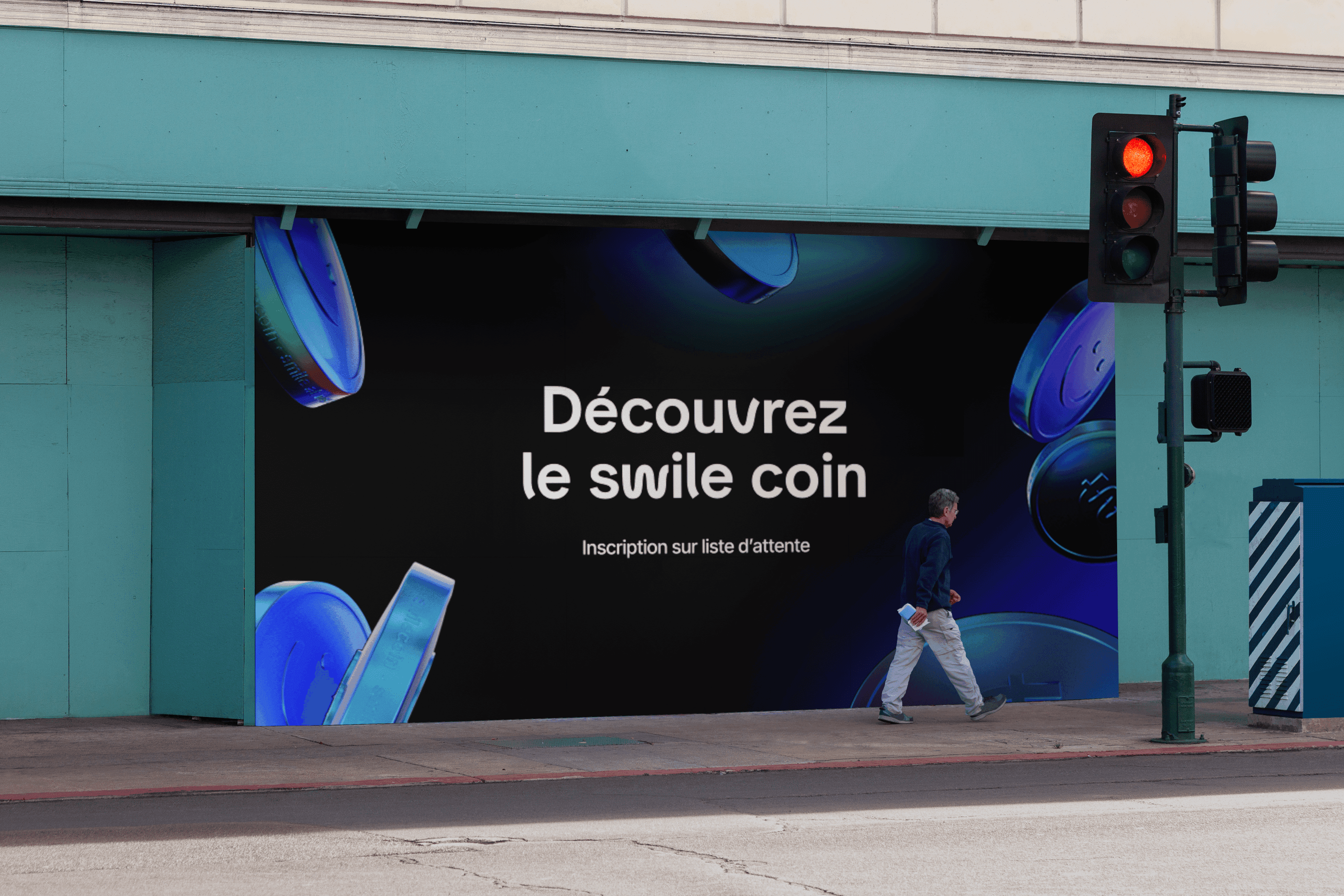

Product design is judged in use, not in the mockup.
×3
users and app usage after the UX redesign, a new UI and game mechanics.
GoGain, sports app
€78K
saved compared to hiring a product designer, with two years of subscription product design.
Seyna, SaaS
1 month
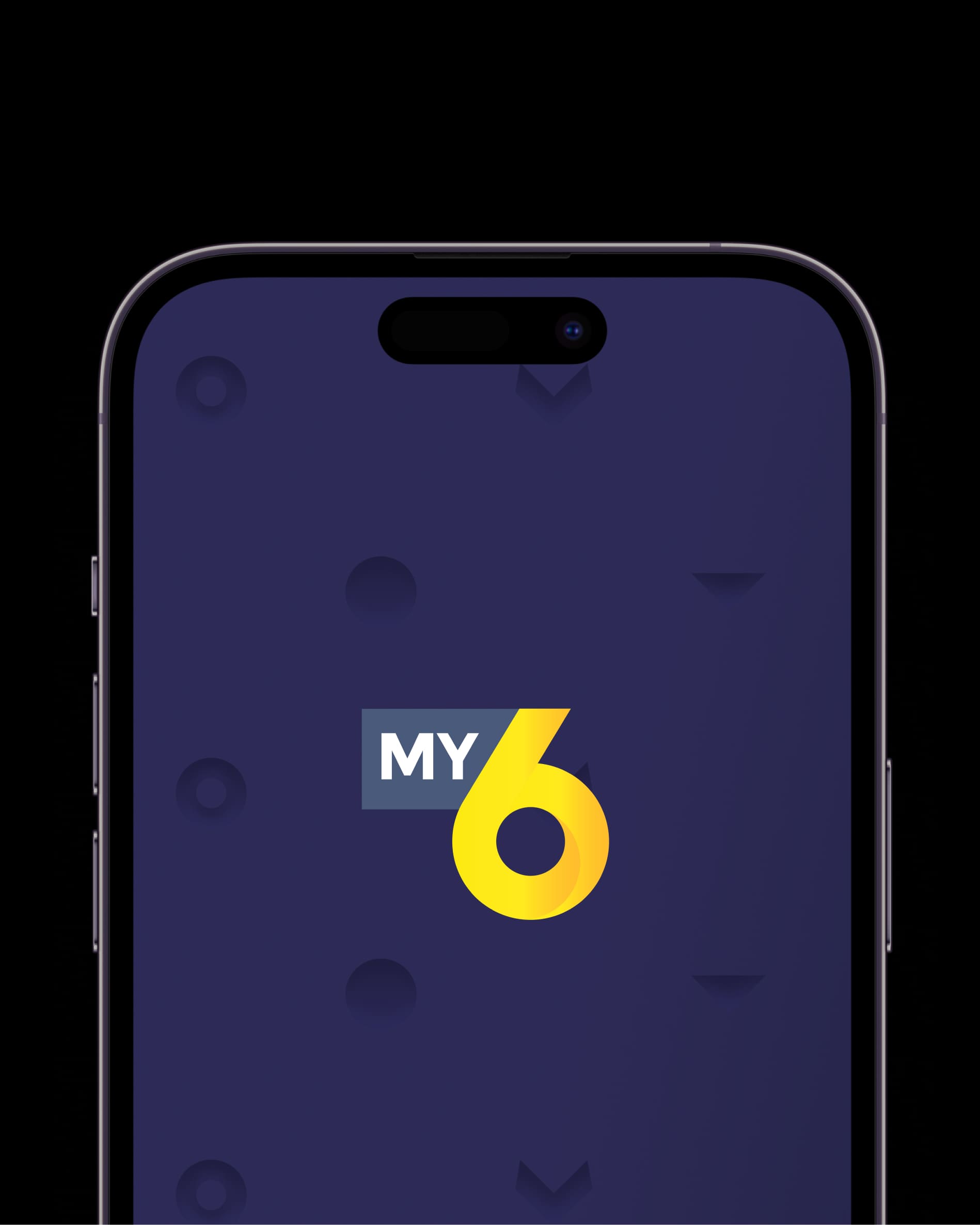
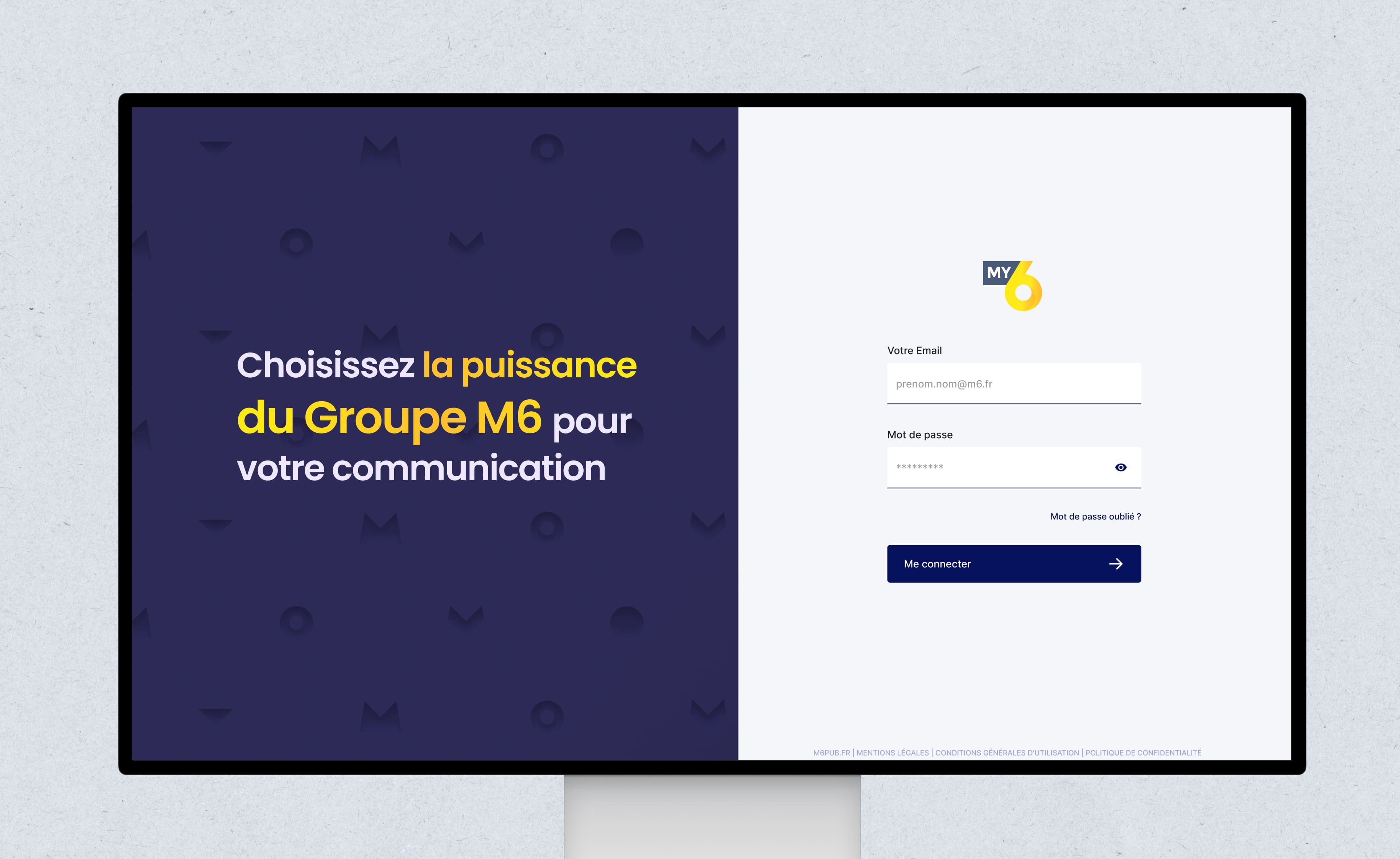
to redesign the key screens and deliver the AI design system, from an AI-generated dashboard to an on-brand platform.
Oltega and Scalability
How does product design work at Dafolle?
We start by understanding your product and how it's used, then move forward in small deliverables: user flows, interface, AI design system. Your tech team approves each sprint, in Figma or in the code. A few minutes of follow-up a week, instead of one huge handoff after two weeks of silence.
Week 1
UX workshops
One or two workshops with all your stakeholders: technical constraints, usage, features and flows to map out. For a simple interface refresh, we skip straight to the next step.
Needs scoped
Week 2
User flows as clickable wireframes
We rough out the flows with AI, in fast iterations. You click through clickable wireframes instead of reading diagrams, until we land on a version everyone agrees on.
Decision 1: the user flows
Week 3
The interface in Figma
The finishing touch: components, styles, key screens. This is where the product becomes memorable and stops looking like everyone else's.
Key screens
If needed
User testing
A test on Useberry to check that your users understand the logic and like the interface, before rolling out the rest.
Optional
Week 4
The AI design system
Components, styles and patterns documented in .md and as tokens, with an asset library AI can find its way around: icons, images, visuals.
Decision 2: the system
Next
The handoff
We hand over the AI design system. Your CTO builds new features directly in code, without going back through a product designer.
Self-sufficient team
Which product design for your product? Three levels, three timelines
A refresh of key screens, a redesign of the whole platform or a year-round product team: the level depends on what your product already has, and what it's missing.
About 1 month
Key screen redesign
UX thinking and an interface refresh on the main screens, starting from what you already have, then the AI design system so you can keep going on your own.
Key screens rethought
Better UX and UI
AI design system delivered
Oltega, Scalability.

3 to 6 months
Full redesign
Workshops, a hard look at the existing UX, then the new interface rolled out across the whole platform and every user flow.
UX workshops
Every user flow rethought
Complete AI design system
GoGain: an app rethought and gamified.
Year-round
Your product team
The redesign, new features throughout the year and the marketing around the product: launch emails, social media, illustrations.
Redesign and new features
Product marketing
Illustrations and assets
Seyna, for two years now.
A monthly fee from €4,200 excl. VAT, no commitment. And a clear goal: get your team self-sufficient as fast as possible.
Product design thought out by humans, made self-sufficient by AI
An interface can be generated in minutes today. The result: the same tables, the same cards, the same user flows as every other SaaS. Want your product to look like your competitors'? There are tools for that. Otherwise, there are still designers who know what a user feels.
AI to clear the UX ground
Personas, usage, user flow analysis, dynamic wireframes: AI maps things fast and well. It saves us days of thinking, without ever deciding for us.
The interface and usage logic, handcrafted
Designing a product is about logic and the psychology of use. AI always reproduces the same patterns. We bring your brand into it, for a product people remember and adopt.
The AI design system for what comes next
Documented components, styles and patterns: AI builds your new features in the code, from approved building blocks. A feature that took eight days to design now takes three.
Here's the paradox: the more generated products look alike, the more an interface thought out by humans stands out. That's what makes people adopt a tool, and stick with it.

When we launched Dafolle, we had had enough of website redesigns that drag on for eight months, cost six months' worth of contract amendments, and end up with a site that no one dares touch anymore.
We built a model for the exact opposite: a subscription with no quotes, senior designers recruited for their business acumen, and an AI infrastructure that we enhance every month so your teams remain autonomous after we're done.
If you're hesitating about entrusting your redesign to us, let's take fifteen minutes. I'll tell you what we can do, and what we won't do.


Joffrey & Clara
Co-founders of Dafolle


Ready to stop developing unnecessary features?
We analyze your current product and show you exactly which features are being used (or not) and why.
The tools we use for product design
What if your product design has a narrower scope?

How does our product redesign work?
One or two UX workshops to understand your challenges and usage, user flows as clickable wireframes you test yourselves, the interface in Figma, sometimes a user test, then the AI design system. Your tech team signs off on each sprint as we go.
How long does it take to redesign our app?
Plan on one to two months to rethink the UX and UI of the key screens and deliver the AI design system, which your team then uses on its own. A full redesign of the entire platform takes more like three to six months.
Why you instead of hiring a product designer?
An in-house product designer costs as much as a subscription, or more, and for the long haul. Over time, they often end up going in circles on the same product. With us, two designers work in parallel, fresh eyes rotate in over the months, and the subscription has no commitment. That's how Seyna saved €78K.
Do you set up a system so we can build with AI afterward?
Yes, it's actually what our clients ask for most. We document components, styles and UX patterns for AI. Your CTO then builds a feature directly in code, without going back to the mockup: a feature that took eight days to design now takes three.
Our product was built with AI. Is that a problem?
No, it's actually common. Oltega came to us with an AI-generated dashboard, already clean but with no overall logic or identity. We keep what works, simplify the flows and give it an interface people remember.
Do you run user tests and interviews?
Tests, yes, when they're useful: on Useberry, to check that a flow makes sense and that people like the interface. Interviews, less often, because our clients already know their users' feedback well.
Do you develop the product?
The front end, yes, when we code a feature with AI. The back-end logic stays with you. For everything else, we deliver all the specs your developers need, and your tech team stays in charge of implementation.
Do you start from scratch or from an existing product?
Almost always from an existing product: an MVP, a version built by your tech team or with AI. We can start from scratch, but most of our clients already have a foundation, and that's often good news.
Do you also design mobile apps?
Yes, like the GoGain sports app, redesigned and gamified. The details are on our mobile app design page.
What happens when the redesign is done?
You leave with the AI design system and your team moves forward on its own. If you want to keep working with us, we become your year-round product team: new features, announcement emails, posts, illustrations. But the goal is still your independence.