





Landing pages and conversion optimization

Your cost per lead is rising while your ads haven't changed? The page makes a different promise than the ad that leads to it? You test one variant per quarter, while your competitor tests one per week?
Good news: to us, a landing page is a hypothesis we test, not a page we admire.
A team that reads your campaigns, your heatmaps and your sales team's verbatims before designing, and writes the page around the objection holding people back.A page live on Framer in one to two weeks, form connected to your CRM, then a new variant every 48 to 72 hours.Results you read in your own tools: ×3 conversions at Skarlett, from €24 to €8 per lead at Life Obsèques.
Three rules for a landing page that converts
A landing page has one job: turn a paid click into a qualified lead. Anything that doesn't serve that job is removed, anything that does is tested.

Written before it's designed
Analytics, heatmaps, session recordings, your sales team's verbatims: we look for the objection that makes visitors leave, and the page is written to answer it in the first five seconds. Design comes next.

One promise, one proof, one action
The promise repeats the ad word for word, because visitors check they're in the right place. Proof comes before we ask them for anything. And there's only one call to action per screen, never two.

Hypothesis: the headline
A new variant every 48 to 72 hours
One hypothesis, one change, one metric, the same traffic split between both versions. We conclude when the volume allows, keep the winner, and move on to the next hypothesis. You read the result in your tools, not in a report.
They chose Dafolle for their Landing pages and conversion optimization
They chose Dafolle for their landing pages and conversion journeys


A landing page is judged by cost per lead. The rest is decoration.
×3
in conversions on the redesigned landing pages, ahead of a €7M raise.
Skarlett, senior credit and insurance
−40%
in cost per lead after the acquisition landing page redesign.
Doctolib, healthcare
€24 → €8
per lead after a series of tests on the acquisition pages.
Life Obsèques, funeral services
+37%
leads on the same traffic after redesigning the conversion journeys.
Studi, online learning


How is a landing page built at Dafolle?
A landing page ships in one to two weeks. A conversion program runs over one to three months: one hypothesis, one variant, one read of the numbers, then the next. Every step is visible in Dafolle OS with its video, and every variant says what it tests. You never have to guess why a block moved.
Days 1–2
Objection and metric
Goal, audience, source ad, baseline metric. We read your heatmaps, your session recordings, and the objections your sales team has logged. Kickoff with your lead designer and Joffrey.
One-page brief
Baseline metric
Days 2–3
The page, written
Promise, proof, objection, action, in reading order. You approve the copy in twenty minutes before we design anything.
Decision 1: the message
Days 3–6
The mockup, mobile first
Designed for one goal, on-brand, walked through on video. One version, your feedback, the next one within 48 hours.
Figma mockup, mobile and desktop
Days 6–10
Framer, CRM, tracking
Page built in Framer, form connected to your CRM, events set up, a real lead sent through to check it works. Live in your campaign the moment you hit the button.
Decision 2: campaign launch
Page live
Week 2
First variant
The strongest hypothesis first: often proof before the form, or three fields instead of seven. Same traffic, one change.
Documented A/B variant
Weeks 3–12
One variant every 48 to 72 hours
As long as the metric keeps moving. A fifteen-minute weekly check-in: what changed, what we keep, what we test next.
Test log
Then
Template and handoff
The winning page becomes a documented Framer template. Your team launches the next campaign on its own, or hands it to us within your subscription.
Framer template
Updated Brand.md
Which landing page and conversion program format fits your campaigns?
Three formats, one model. We'll tell you which one in fifteen minutes, and we'll also tell you when the problem isn't the page but the offer or the targeting.
1 to 2 weeks
One landing page
One campaign, one page, one goal. Written, designed, built on Framer and connected to your CRM. For a launch, a trade show, a seasonal offer.
Brief, copy, mockup
Framer page live
Form and tracking
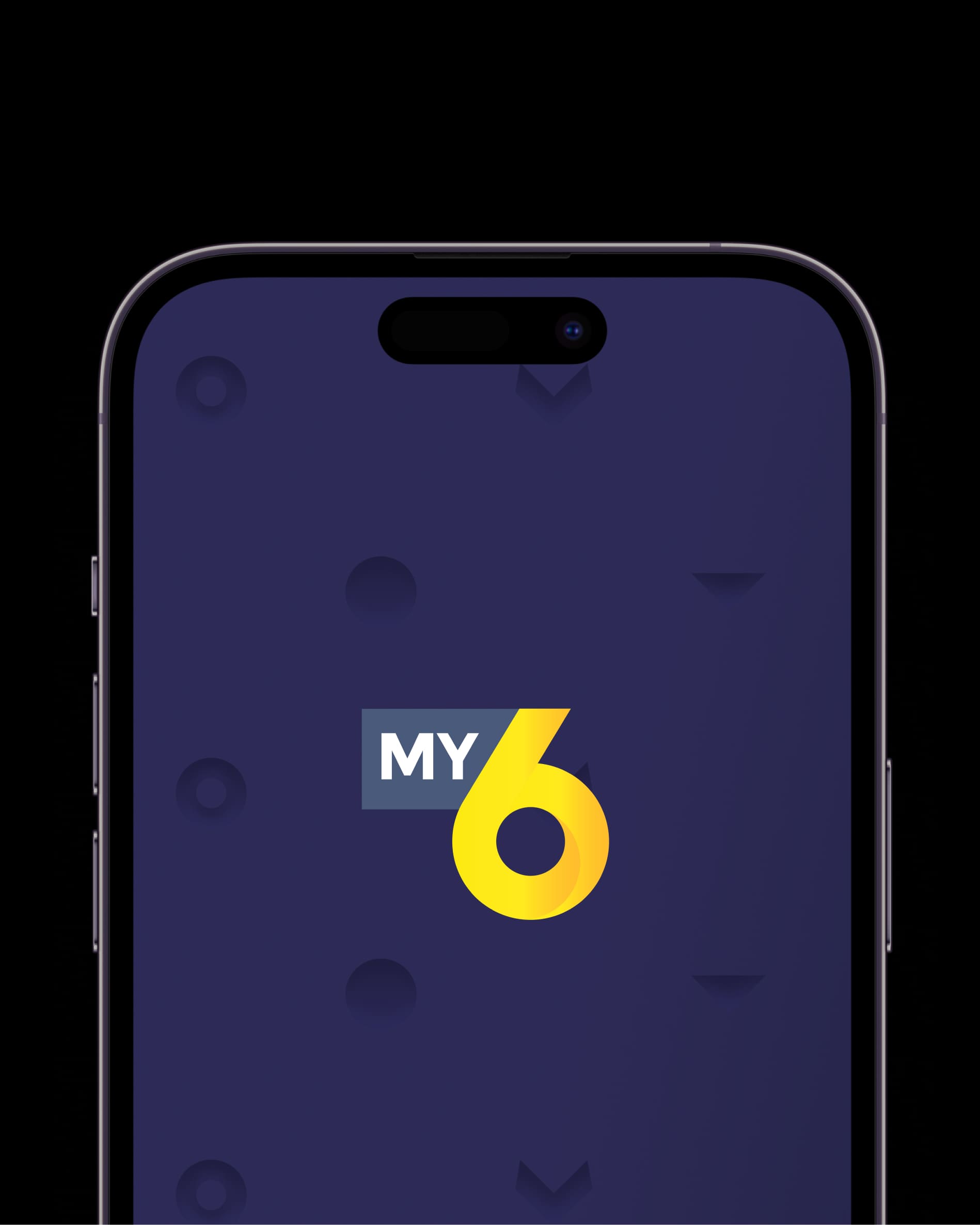
Swile, April Fools' landing page. M6, ad sales page.

1 to 3 months
A testing program
All your acquisition pages, a new variant every 48 to 72 hours, a weekly check-in. To lower cost per lead without touching the media budget.
Audit of existing pages
Variants and test log
Templates at the end
Life Obsèques, from €24 to €8 per lead. Invoxia, seven months of testing.
2 to 3 months
Site-wide conversion journeys
Entry pages, pricing, forms, demo funnel: everything that turns a visitor into a lead, rethought as one. For a site with good traffic but conversion that doesn't follow.
Journey mapping
Redesigned and tested pages
Form design system
Skarlett, ×3 conversions. Studi, +37% leads.
Same model for all three formats: one monthly fee, tasks weighed in credits, and variants included as long as the metric moves. Prices on the pricing page.
A handcrafted landing page, for prospects who ask an AI for advice before they click
Landing page tools now generate a page in thirty seconds, with the same three-word headline, the same three cards and the same purple button. Your prospects, meanwhile, ask ChatGPT which solution to pick before clicking your ad. A page that looks like all the others is neither remembered by humans nor cited by machines.
The objection and the message, found by hand
Nobody generates the objection that stops your prospects: you read it in your session recordings and in what your sales team hears. That's the designer's job, and it's what makes the page.
A consistent promise, from ad to site
The same message on the ad, the landing page and the site. Answer engines hate contradictions, and so do your prospects: a promise that changes between two clicks drives both away.
Variants rolled out with AI, on-brand
From your Brand.md, Claude spins up a variant or a page per segment without starting from scratch. Via MCP, it's created directly in your Framer. The hypothesis stays human, the rollout goes fast.
A landing page generated without a hypothesis is just one more page on the Internet. A page written around the right objection, then rolled out with AI, is a page that learns.

When we launched Dafolle, we had had enough of website redesigns that drag on for eight months, cost six months' worth of contract amendments, and end up with a site that no one dares touch anymore.
We built a model for the exact opposite: a subscription with no quotes, senior designers recruited for their business acumen, and an AI infrastructure that we enhance every month so your teams remain autonomous after we're done.
If you're hesitating about entrusting your redesign to us, let's take fifteen minutes. I'll tell you what we can do, and what we won't do.


Joffrey & Clara
Co-founders of Dafolle


The tools we use for your landing pages and conversion tests









What if the problem goes beyond the landing page?

How much does a landing page cost at Dafolle?
A landing page is one task in your subscription, usually size M, delivered in one to two weeks. Plans start at €4,200 excl. VAT per month and cover several pages and variants depending on the plan. Every task shows its credit weight before it starts, and variants are counted up front. Details are on the pricing page.
How long until a first landing page is live?
One to two weeks: two days of scoping and copy, three days of mockup, four days of Framer build, CRM hookup, and testing. On the Boost plan, 48 to 72 hours when the material is ready and the CRM is accessible.
How does an A/B test work?
One hypothesis, one change, one metric. We split traffic between the two versions, wait for enough volume to call it, then keep the winner and move on to the next hypothesis. At Life Obsèques, this method took cost per lead from €24 to €8.
Who writes the page copy?
We do, from your ad, your sales team's verbatims, and your customer reviews. You approve it in twenty minutes. If you have a content team, we work from their material and structure the order of the arguments.
Which tool do you build the page in?
Framer by default: fast, editable by your team, with native A/B testing and a connection to Claude via MCP. Webflow if your site is already on it. We can also deliver just the Figma mockup if your team builds it in-house.
Do you connect the form to our CRM?
Yes: HubSpot, Brevo, Pipedrive, Salesforce, or a webhook via Make. Every page is tested with a real lead before it goes into a campaign, and conversion events are set up in your analytics tool.
Does it work for SEO too?
A campaign landing page and an SEO page don't do the same job. The first converts paid traffic, the second captures search. We build both, but we don't ask the same thing of them: the second falls under a website redesign.
How many variants does it take to see a result?
Usually three to five, on the strongest hypotheses: promise, proof, form, block order. What matters isn't the number of variants but the traffic per variant. If your traffic is too low to test, we tell you before we start and work on the page alone.
Do you also make the ad creatives?
Yes, the static, video, and UGC creatives for the campaigns that lead to the page are part of Dafolle's services: see the digital ads page. Same promise in the ad and on the page, that's often where cost per lead is won or lost.
Who works on my pages?
A senior lead designer who reads your data and owns the hypotheses, Joffrey as project manager, and Geoffrey, Framer developer, for the build, CRM, and tracking. Behind them, 12 senior designers, 0.5% of applicants accepted.