

An invisible product on the shelf is a dead product. We turn your packaging into purchase triggers.
The problem with botched packaging? They are created by graphic designers who have never set foot in a supermarket. The result: nice on Behance, invisible on the shelf.
*As Soon As Possible (tired of anglicisms)
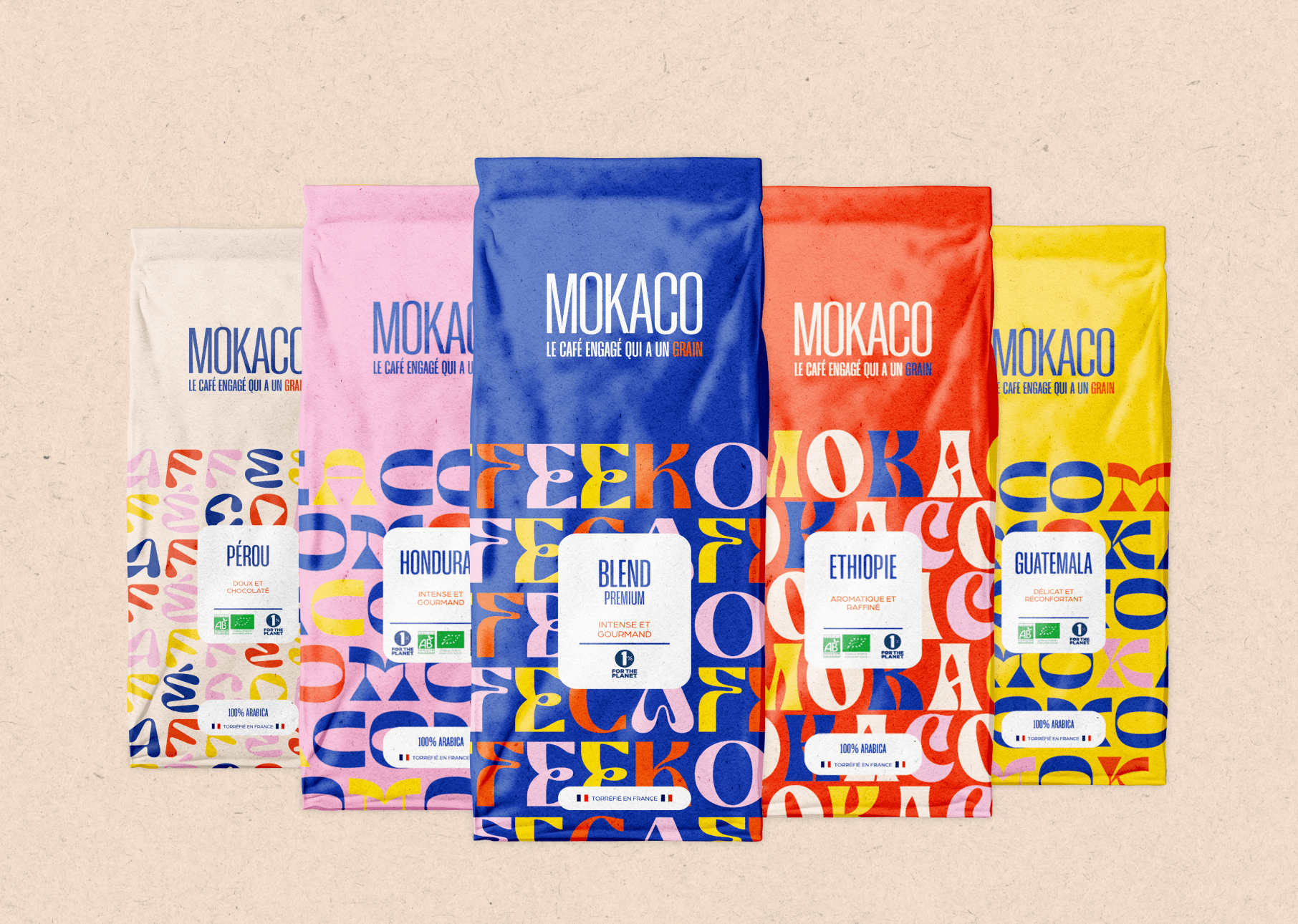
+89%
Visibility on shelf (vs generic packaging)
0.3 seconds
Average decision time in the aisle
100%
Print-ready (no unpleasant surprises at the printer)
Why 73% of packaging fails on the shelf
Packaging is not judged on Dribbble. It is judged against 47 competitors in 1.2m² of shelf space, under neon lights, at a height of 1.4m.
The bias of "beautiful on screen"
Your graphic designer presents you with stunning packaging on a 27-inch screen. On the shelf, 2 meters away, under artificial light? Illegible. At Dafolle, we test in real conditions: 1:1 printing, physical linear testing, supermarket light simulation.
01 /
The absence of visual architecture
Effective packaging is understood on three levels: Brand (recognition), Product (differentiation), Benefit (trigger). Most packaging presents everything at the same level. The result: confusion. We build a readable hierarchy from three meters away.
02 /
The trap of "we'll see when it's printed"
Pantone shifts, varnish runs, misaligned cuts: printing disasters kill 30% of product launches. We deliver 100% print-ready files with technical specifications for the printer (crop marks, bleed, validated Pantone, digital proof).
03 /
Our ServicesPackaging Design
Everything you need, in a single subscription
01 /
Guaranteed linear visibility
We test your packaging on a recreated shelf against your actual competitors. The goal: 0.3 seconds to be identified.
02 /
Architecture information 3 levels
Visual hierarchy Brand → Product → Benefit. Readable at 3m, 1m, 30cm. No graphical mush.
03 /
Print-ready at 100%
Files delivered with complete technical specifications: validated Pantone, cutting marks, bleed, printer template.
04 /
Consistent range declination
Scalable design system. Add SKUs without breaking consistency. Reusable template.
05 /
Realistic 3D simulation
Photorealistic 3D rendering before production. Visualise the final result in ray before printing.
06 /
Competitive validation
We photograph your packaging on the shelf against your competitors. If it doesn't pop, we do it again.
They chose Dafolle for their website redesign.
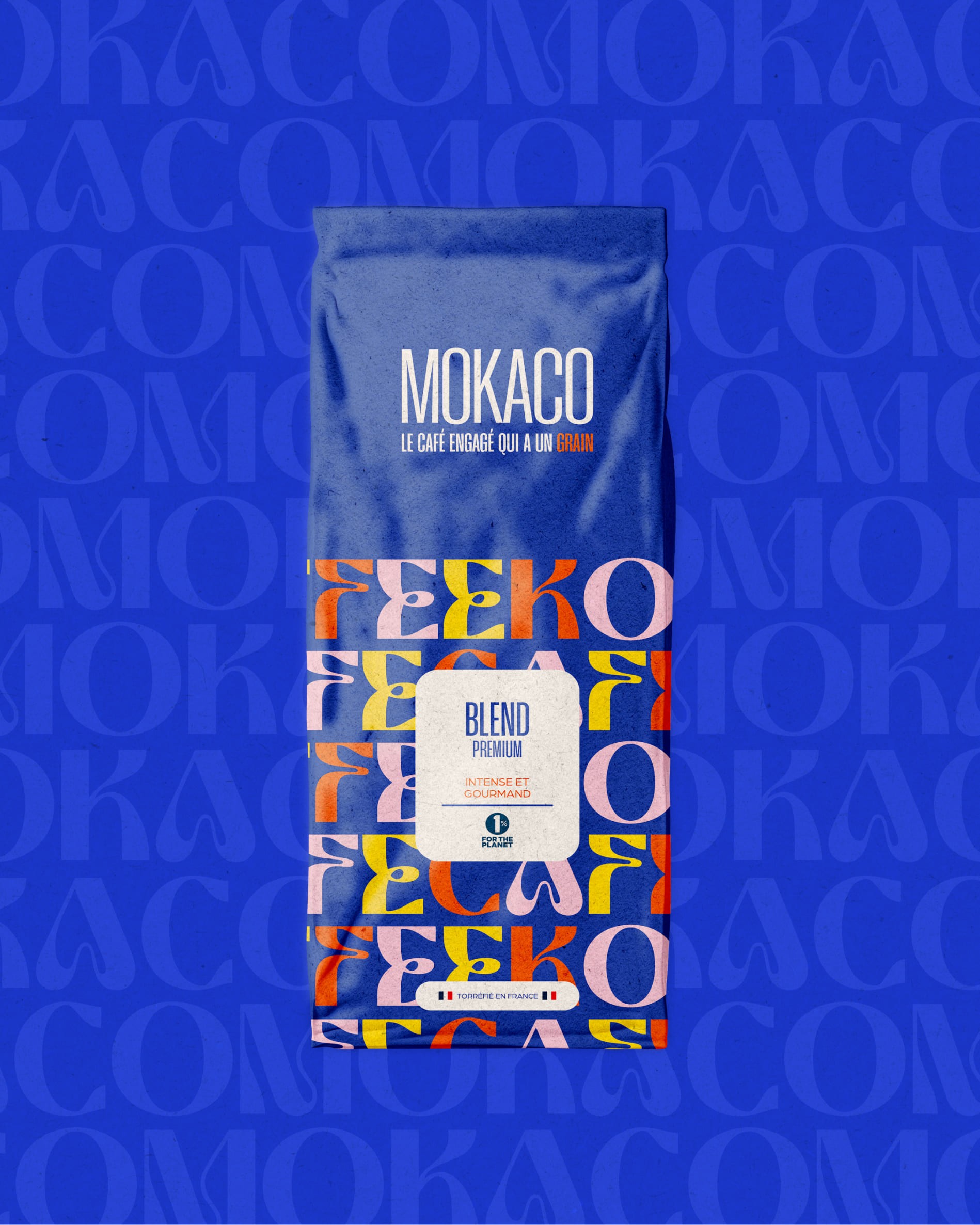
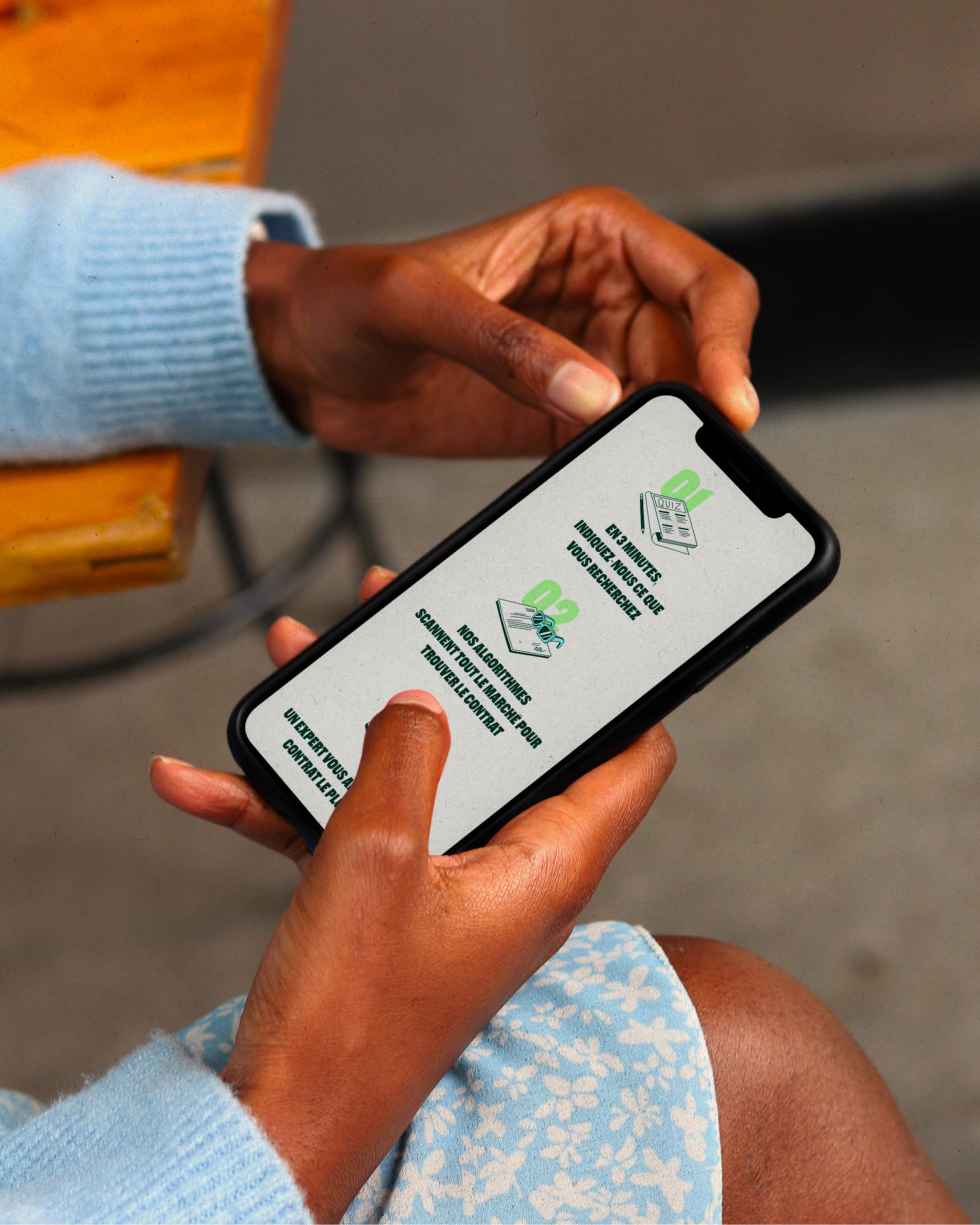
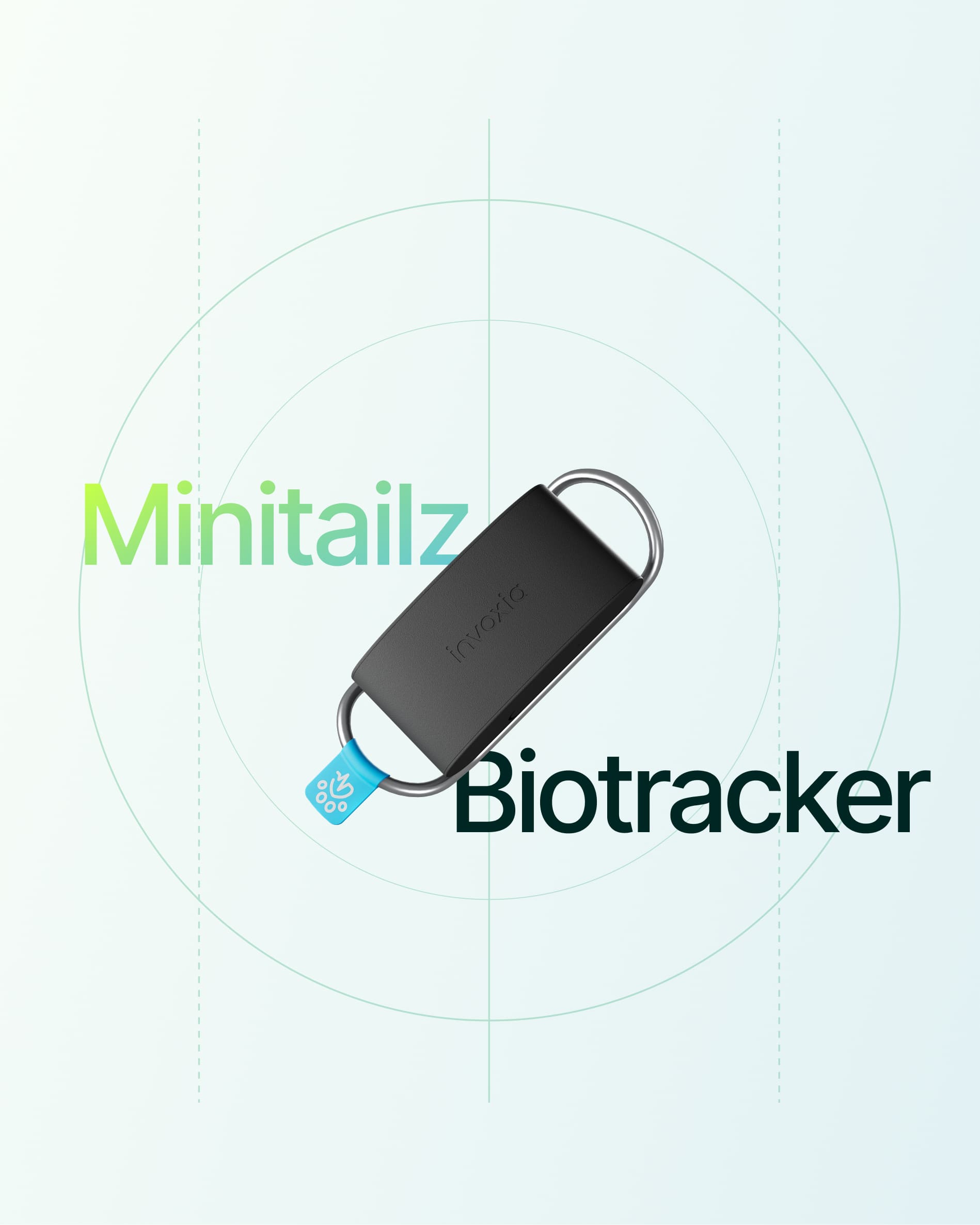
Some examples of achievements

Day 1-2
Competitive audit
We buy your competitors, we photograph them in a recreated layout, and we analyze the visual codes of your category.
Day 3-4
Visual architecture
We define the info hierarchy (Brand/Product/Benefit), the typographic grid, and the colour system by range.
Day 5-7
Design & variations
We create the main design + variations for the range. Print test 1:1 + realistic 3D simulation.
Day 8-9
Linear physics test
We print, we display on the shelf restored facing your competitors, we confirm visibility from a distance.
Day 9-10
Print-ready files
We are preparing the files for the printer: trim marks, bleed, approved Pantone, technical template, proof.
Your packaging is stunning on Behance. Unproduceable in reality.
Because it was designed without ever speaking to a printer. Nor testing the unboxing with a real customer.
The tools we use for Packaging Design


Any questions? We respond within 48 hours.
It is known that entrusting your design to an external team,
raises some questions. Here are our answers.
How long does it take to create packaging?
What exactly do you deliver?
Are you really testing in real conditions?
How much does packaging cost?
Can I easily decline my range afterwards?
Do you also handle printing?
Difference between packaging and label?
Do you also do e-commerce packaging (Amazon, etc.)?
Do you comply with legal standards (nutrition, recycling, etc.)?
Can we test several versions before printing?